
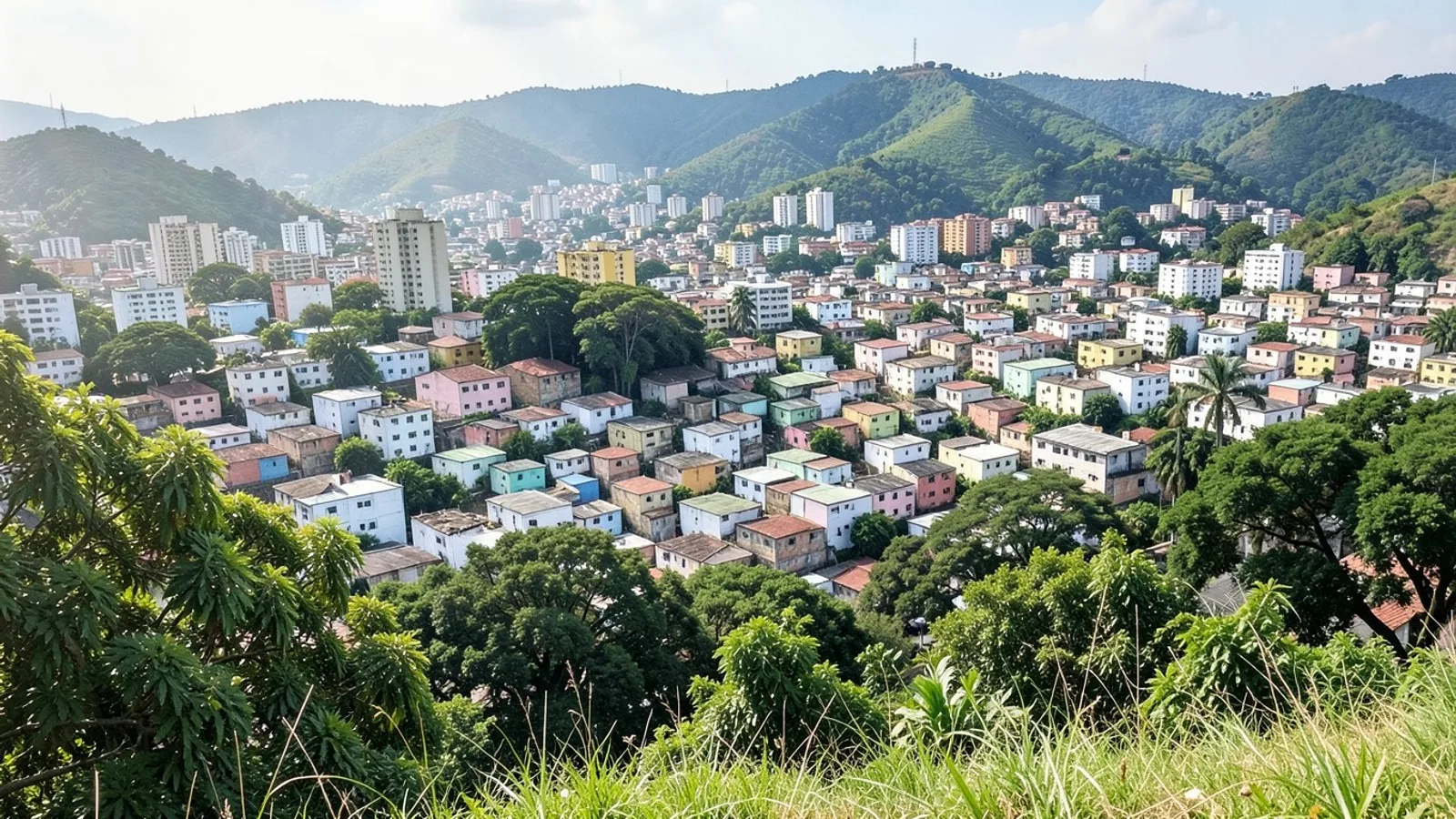
The professional dynamics and economic development in Varginha, a municipality with a population of 143,676 inhabitants in the state of Minas Gerais, involve continuous contractual routines across commercial establishments, storage and transport facilities, service networks, agro-industries, and logistics enterprises. In the daily routine of these activities, employees and employers enter into commitments governed by the Consolidation of Labour Laws and the guarantees safeguarded by the Federal Constitution of 1988. When impasses arise regarding contract terminations, repeated salary delays, habitual unpaid overtime, or disagreements over job classification, the technical advice of an employment lawyer allows workers to understand the full extent of their rights and take appropriate steps before the Labour Court, whose regional jurisdiction in Minas Gerais falls within the structure of the Regional Labour Court of the 3rd Region (TRT-3). To explore guidance and support options, you can consult the legal assistance page and learn about the support alternatives available in the region.
The work of a professional specializing in employment relations goes far beyond filing lawsuits following the termination of an employment contract. Preventive consultation plays an essential role in clarifying hiring formalities, the limits of disciplinary sanctions, evaluation criteria during probationary periods, and compliance in granting meal and rest breaks. When seeking an employment lawyer, an individual obtains support grounded in the principle of the primacy of reality over form, according to which the factual truth proven in the daily routine of service provision takes precedence over formal notations on paper or signed documents that do not correspond to what actually occurred in the daily work routine.
Legal structure of the employment relationship and contractual classification in Varginha
The legal establishment of an employment relationship requires the simultaneous presence of substantive requirements defined by labour legislation: personal provision of services, regularity, remuneration, and legal subordination. In various market situations, workers perform essential tasks under the formal designation of independent service providers or under the guise of legal entities established exclusively for hiring purposes. However, when such a worker follows daily orders issued by supervisors, complies with mandatory work schedules, and lacks managerial autonomy while assuming no business risks, intervention by an employment lawyer aims to demonstrate the occurrence of contractual fraud before the Labour Court. Once the formal employment relationship is recognized, the fundamental obligations owed follow, such as registration in the official employment record, social security contributions directed to the National Social Security Institute, and the mandatory monthly deposits into the Guarantee Fund for Length of Service, along with the corresponding statutory adjustments.
Another issue that frequently prompts individuals to seek legal guidance concerns the phenomena of duty deviation and task accumulation. When daily routine imposes on the employee the regular performance of duties of greater technical complexity or with a burden of responsibility substantially disproportionate to those for which they were originally hired, without a corresponding salary adjustment, the legal practitioner evaluates the factual feasibility of claiming wage differences. A detailed comparative review of pay stubs, company organizational charts, and ratified collective bargaining conventions and agreements makes it possible to verify whether the mandatory category wage floors and designated pay premiums were strictly observed throughout the term of the contract.
Litigation arising from employment contracts performed in the municipality is processed within the Labour Court, regionally affiliated with the Regional Labour Court of the 3rd Region (TRT-3), a court headquartered in Belo Horizonte, the state capital, without prejudice to any appeals submitted to the Superior Labour Court, based in Brasília, the national capital. Residual, strictly civil matters and local general jurisdiction cases, on the other hand, are handled before the State Court in the Judicial District of Varginha, whose central courthouse is located at Avenida Isaltina Moraes Braga, 125 – Residencial Vale das Palmeiras, Varginha - MG, CEP 37031-300. All conduct by legal professionals is governed by the guidelines of the Code of Ethics and Discipline of the Brazilian Bar Association, with any guarantee or promise of success in the case strictly prohibited, since the evaluation of evidence and the final judgment rest exclusively with appointed judges vested with jurisdiction.
Technical analysis of employment termination, time tracking, and mandatory premiums
The termination of an employment contract is typically the period of greatest financial anxiety for the worker, demanding meticulous accounting and legal precision from the employer. The accurate calculation of the amounts owed and strict compliance with the settlement deadlines established by consolidated labour legislation prevent the imposition of statutory late-payment penalties. In the practical routine submitted to the review of an employment lawyer, several matters with a direct impact on the individual's assets stand out:
- Detailed review of the termination agreement: meticulous calculation of the salary balance for days worked, proportional notice period based on length of service (whether worked or indemnified), accrued and proportional paid vacation plus the constitutional one-third bonus, and the proportional thirteenth salary, as well as the provision of formal forms to release FGTS withdrawals with the forty percent termination penalty and to apply for unemployment benefits;
- Constructive dismissal due to employer breach: characterization of serious unlawful conduct committed by the employer, such as persistent wage delays, repeated failure to deposit FGTS contributions, demanding physical exertion beyond the employee's strength, or imposing excessively harsh treatment in the corporate environment, factors that grant the worker the right to claim the termination of the employment relationship with all indemnities equivalent to dismissal without cause;
- Overtime hours and rest periods: technical auditing of physical or mechanical time cards and digital electronic systems, verification of compensatory schemes such as time-off banks, assessment of continuous rotating shift schedules, and investigation of total or partial curtailments of meal and rest breaks within the workday or between consecutive work shifts, calculating the financial impact on paid weekly rest and severance pay;
- Hazard and danger pay premiums: technical inspection of workstation operating conditions regarding chronic exposure to harmful physical agents, continuous noise, chemical compounds, biological elements, as well as flammables or high-voltage electricity, confirming the effective provision of personal protective equipment with valid certificates of approval;
- Provisional job security and occupational accidents: legal protection of accident-related job stability periods resulting from leaves approved by the social security agency, assessing the right to reinstatement in the workplace or the receipt of substitute compensation when company negligence regarding occupational health and safety standards is established.
Promptly seeking this document review ensures that the statutes of limitations set forth in the Federal Constitution of 1988 are not exceeded, which establish an unextendable limit of up to two years after the definitive termination of the employment contract to claim entitlements regarding the five years preceding the date the lawsuit is filed.
Regional labor mobility and contractual impacts in the vicinity of Varginha
Due to its location in the South of Minas Gerais and its role as a business attraction hub, Varginha maintains a constant flow of productive integration with the municipalities that make up its nearby geographic area. Hundreds of professionals reside in neighboring towns and travel daily to work in coffee warehouses, goods distributors, dealerships, health clinics, and companies located in Varginha, or vice versa. This regional reality generates employment contracts with particularities related to commuting, union classification, and procedural jurisdiction before the Labour Court.
A constant example of this routine involves the municipality of Elói Mendes, located 15.4 km from Varginha. Many employees residing in Elói Mendes perform operational shifts in Varginha, requiring legal support to verify the regularity of granting and funding the intermunicipal transportation voucher, the integrity of time‑clock recording at the actual moment of arrival at work, and the correct application of wage floors agreed upon by the unions that represent the territorial base where the services are actually performed.
Similarly, a strong professional circulation is observed concerning the municipality of Três Pontas, situated 22.2 km from Varginha. The exchange of labor active in agribusiness, harvest and storage of crops, cooperatives, and the banking network raises recurring questions regarding temporary transfers of workplace, payment of transportation expenses, and time‑keeping control on external routes. In these scenarios, the employment lawyer examines whether the worker was subjected to special on‑call or standby regimes without the economic compensation provided for by law.
Another daily connection of great relevance occurs with Três Corações, situated 24.4 km from Varginha. Employees hired by food industries, road freight carriers, and technical support providers frequently travel between the two urban centers. When questions arise about the application of divergent collective norms between the unions of the two cities or about the definition of the competent jurisdiction to hear labor judicial actions, a well‑grounded assessment prevents unnecessary delays in case processing.
This regional labor dynamic also encompasses other municipalities in the immediate surrounding area, such as Paraguaçu (31.8 km), Campanha (31.8 km), Nepomuceno (40.7 km), São Gonçalo do Sapucaí (41.6 km) and Lambari (47.9 km). In situations where corporations maintain branches, depots, or service routes in multiple of these cities, the technical analysis prevents the employee from bearing undue operational travel costs and safeguards the correct payment of daily allowances and legal rest periods.
Practical guide to gathering and preserving employment documentation
The technical accuracy of any advisory opinion or the foundation of an initial petition before the Labour Court depends essentially on the robustness and organization of the preserved material evidence. To expedite the review by the professional and enable the precise calculation of existing financial differences, it is recommended to follow the following step-by-step process for compiling the documents:
- Digitize the employment contract documentation: digitize all annotated sheets of the physical Work Book or issue the complete report in PDF format generated via the Digital Work Book system, compiling the employment contract, signed addenda, benefit option terms, and any extensions or overtime compensation agreements;
- Gather monthly pay stubs: organize in chronological order all pay stubs, paychecks, and bank deposit statements for the employment period, cross-referencing items such as base salary, overtime pay, bonuses, variable commissions, and any tax or association deductions;
- Obtain the FGTS account analytical statement: request the complete and up-to-date analytical statement of the account linked to the financial institution, allowing you to verify month by month whether the eight percent deposits on the total remuneration were collected by the employer without any issues;
- Compile time sheets and time records: keep photographs, printed mirrors, or digital reports of time cards, shift rotation schedules, and electronic registration receipts that accurately record the daily start time, break time, and end of the workday;
- Preserve corporate messages and internal communications: archive institutional emails, work orders, internal goal communications, and conversations held with supervisors in messaging apps that demonstrate tasks performed outside the contracted hours or excessive punishments;
- Store reports, receipts, and medical certificates: in cases of work accidents, occupational illness, or medical leave, gather contemporary clinical reports, the Work Accident Communication, and any results from pension-related expert opinions;
- Check for repercussions in other sectors: if the payroll deductions are linked to consigned loan contracts or unauthorized consumption issues, the citizen can consult the institutional platform to understand how to organize the appropriate support before the protection agencies.
By presenting this organized set of documents, the worker enables the employment lawyer to conduct a detailed audit of the suppressed rights, verify the applicable prescription period, and build consistent legal arguments before the judicial bodies.
Ethical service, transparent hiring and app connection
The practice of law is strictly subject to the ethical norms established by the Brazilian Bar Association. An employment lawyer must base all their service on informational clarity and the duty of technical transparency. It is imperative to highlight that no professional has the ethical permission to make promises of results or guarantee victory in any dispute before the Labour Court, since the evaluation of the evidence produced and the judgment of the claims fall exclusively to the legally competent judges.
The definition of professional fees follows the same criteria of integrity and mutual certainty. The values and percentages applicable to legal services must be explicitly agreed upon in writing with the lawyer before the effective start of any legal measure or intervention. This formal contract for the provision of services specifies the processual acts covered, the financial responsibilities relating to any expenses or costs, and the conditions in case of approval of an agreement or the success of the claim.
With the purpose of bringing those who need specialized guidance closer to local legal operators, our app connects people facing labour disputes to lawyers who practice in the corresponding judicial district. The user reports what happened in their own words, by audio or text, completely free of charge and without the need to log in. Then, an assistant organizes the details exposed in a structured summary of the case and directs the citizen to options of lawyers in the corresponding area of the municipality.
The decision about which professional to talk to is entirely up to the person. The conversation with the lawyer is confidential, carried out within the app itself, and only advances to a formal consultation when both parties accept the contact, ensuring that no personal identification data is exposed before this mutual agreement. The lawyers publish a page with their areas of practice and respond directly to attendance requests.
If you need to clarify doubts about settlement agreements, check the payment of overtime, request the formal recognition of an employment relationship, or evaluate additional payments and transfers in Varginha and the surrounding cities, describe your case in the app to dialogue in a private environment with an employment lawyer, establish the fees in writing before the start of the services, and understand your rights with ethical rigor and privacy, without promises of results.
Varginha and surroundings
Lawyers who practise in Varginha also take cases from nearby cities.
How it works
- Tell the case
By voice or text, no sign-in. It takes a few minutes.
- The assistant organises it
Facts, dates and documents become a clear summary.
- You choose the lawyer
Professionals who practise in Varginha, in alphabetical order.
Legalocal does not recommend or rank professionals: the list follows alphabetical order.
Frequently asked questions about Varginha
How can a labor attorney in Varginha advise me after dismissal?
The lawyer examines the employment termination agreement, checking items such as remaining salary balance, notice period, proportional vacation, and proportional thirteenth salary, as well as the release of documents to withdraw FGTS with the 40% penalty and unemployment insurance. The professional assesses any irregularities for proceedings before the Labour Court in the Judicial District of Varginha.
Can someone who lives in Elói Mendes and works in Varginha file a claim with the Labour Court?
Yes. Professionals living in neighbouring towns, such as Elói Mendes, located 15.4 km from Varginha, who commute daily to work in the municipality can clarify pending issues regarding intercity transportation vouchers, actual working hours, and procedural jurisdiction. In the app, workers describe their situation confidentially to find assistance from regional professionals.
Can I consult a labor lawyer through the app if I was transferred from Três Pontas?
Yes. If you provided services in nearby locations, such as Três Pontas, 22.2 km from Varginha, and have questions about location transfers, transfer allowances, or equal pay, you can report the issue via text or audio. The assistant organizes the case and allows you to choose an attorney for direct assistance, with fees established in writing before the service begins.
How does a labor lawyer analyze contracts between Varginha and Três Corações?
For those working in companies with operations between Varginha and surrounding cities, such as Três Corações, located 24.4 km away, the lawyer verifies the correct application of collective bargaining agreements and compliance with statutory rest periods. Through the app, you share your story for free and without needing to log in, deciding which professional you wish to speak with privately, with no guarantee of case outcomes.